Conditions We Treat

Herniated Disc Physical Therapy in Washington DC and Bethesda

Most herniated discs — lumbar and cervical — resolve without surgery when treated with structured physical therapy. We use directional preference assessment, graded loading, and realistic education to get patients back to full function in weeks, not months.

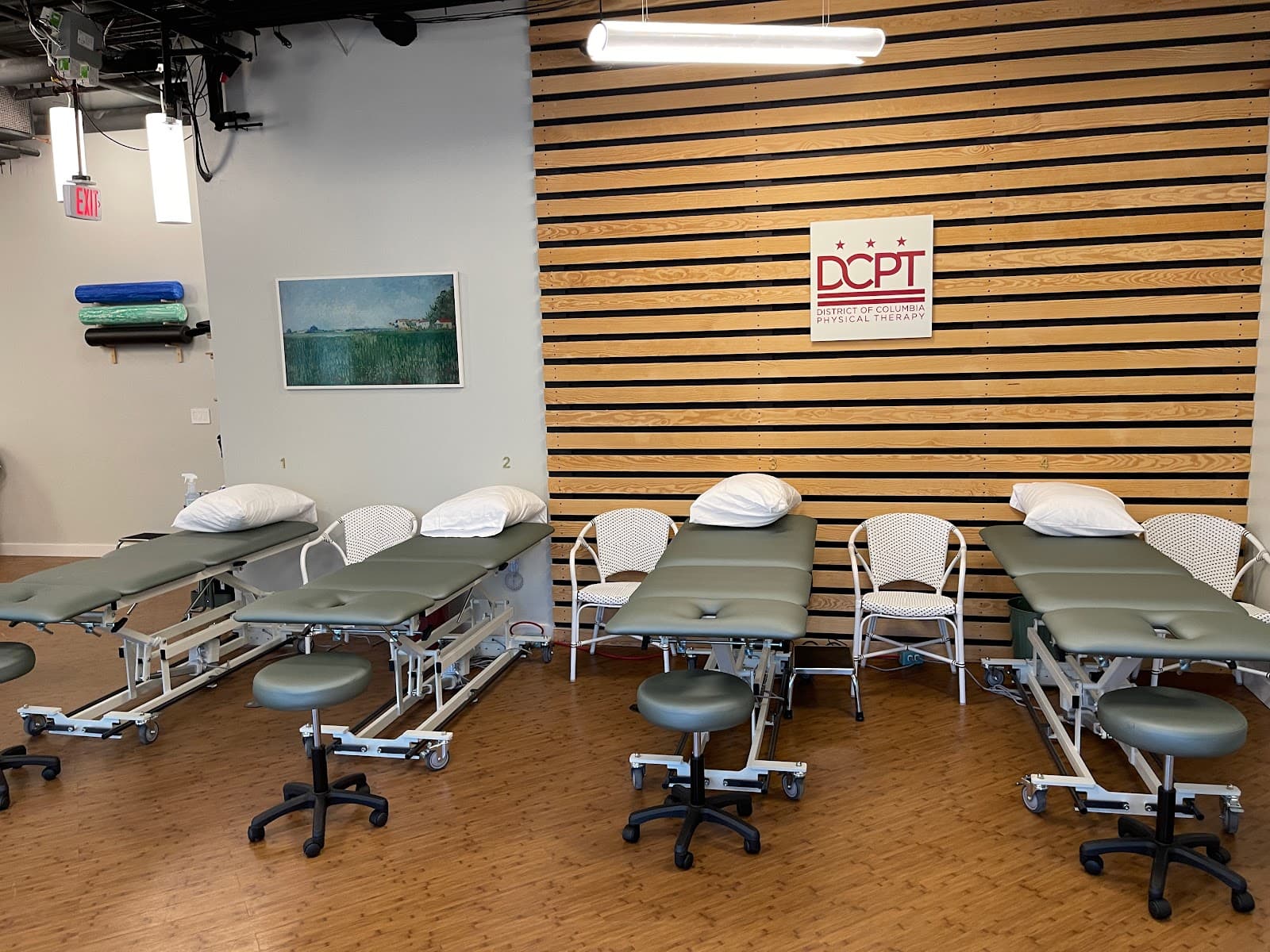
District Physical Therapy clinic — Intervertebral Disc Herniation treatment in Washington DC and Bethesda

What a herniation actually is — and what it isn't

A disc herniation is bulging or extrusion of disc material that may or may not contact a nerve root. Important context: disc herniations are common in pain-free adults — MRI studies show 30–50% of people with no symptoms have visible herniations. So a herniation on imaging doesn't dictate treatment. Clinical symptoms do.

When PT is the right next step

Almost always first. Even with significant radicular symptoms (sciatica, arm pain into the hand), conservative care including PT resolves most cases. Indications for earlier surgical evaluation: progressive motor weakness, bowel or bladder changes, severe intractable pain after 6–8 weeks of structured care.

What evaluation looks like at DCPT

60-minute evaluation with a Doctor of Physical Therapy. We assess directional preference (which positions and movements centralize symptoms vs peripheralize them), strength, sensation, and reflexes. We review imaging only if you have it; clinical exam drives the plan. First treatment same visit. Typical plans run 8–14 visits over 6–10 weeks.

Treatment approach

McKenzie-based directional preference work (repeated extension or flexion in the direction that centralizes pain), manual therapy of the spine and adjacent joints, nerve mobility work, graded loading and strength reintroduction, dry needling when muscle guarding is a major component, and clear education on activity modification — what's safe, what to avoid, and what to do during flare-ups.

Costs and insurance

All in-network insurance covers PT for disc-related pain. Self-pay is $150 per session. Direct access — no referral needed in DC, MD, or VA.

Ready to start?

Same-week evaluations at Capitol Hill, Bethesda, and in-home throughout the DMV.

Book a Disc Herniation Evaluation

Frequently asked questions

Can PT shrink my herniation?

PT doesn't directly shrink disc material — but follow-up imaging studies show many herniations spontaneously regress over months to years regardless of treatment. PT addresses the symptoms and function while that natural process happens.

What does "centralization" mean?

It's a clinical sign where pain moves from the leg or arm toward the spine in response to specific movements. Centralization is a strong predictor of conservative-care success.

Is it safe to exercise with a herniated disc?

Yes, with the right guidance. Total rest typically delays recovery. We help you keep moving in ways that don't aggravate the disc — and progress loading as symptoms allow.

Should I get an MRI before starting PT?

Usually no. Imaging changes the treatment plan in a minority of cases. We start with clinical exam and recommend imaging if symptoms aren't responding or if red flags appear.

What about cervical herniations vs lumbar?

Same principles, different specifics. Cervical herniations with arm pain often respond well to manual therapy, postural work, and directional preference. Many resolve without injection or surgery.

Will it come back?

Recurrence risk exists, especially in the first year. The biggest protective factor is continued strength work and movement habits — which is what we coach during the plan of care.