Conditions We Treat

Vertigo & BPPV Physical Therapy in Washington DC and Bethesda

Vertigo is treatable — often in a single visit when it's classic BPPV. We see patients spinning for weeks before they realize a 15-minute repositioning maneuver fixes them. For non-positional vertigo and post-concussion vestibular dysfunction, structured vestibular rehab gets the brain re-trained over a few weeks.

What we treat

Benign paroxysmal positional vertigo (BPPV — the most common cause of vertigo), unilateral vestibular hypofunction, post-concussion dizziness, cervicogenic dizziness, motion sensitivity, and persistent postural-perceptual dizziness (PPPD). We don't treat Meniere's disease as the primary intervention but can help manage related deconditioning.

BPPV — usually one-and-done

Classic positional vertigo (room spinning when you roll over in bed, lie back, or look up) is almost always BPPV. Treatment is a repositioning maneuver — Epley is the most common, but the right maneuver depends on which canal and which side. Most patients resolve in 1–2 visits.

Vestibular rehab for non-BPPV cases

If your dizziness isn't positional, we run a vestibular exam — head impulse test, gaze stabilization, VOR cancellation, balance and gait screen — and build a customized program of gaze stabilization, habituation, balance training, and walking-with-head-movement progressions. Most patients see meaningful improvement in 4–8 weeks.

Concussion-related dizziness

Post-concussion vestibular dysfunction is common and very treatable. We coordinate with your physician on return-to-activity progressions and screen for cervical contributors (the neck often plays a role).

Costs, insurance, locations

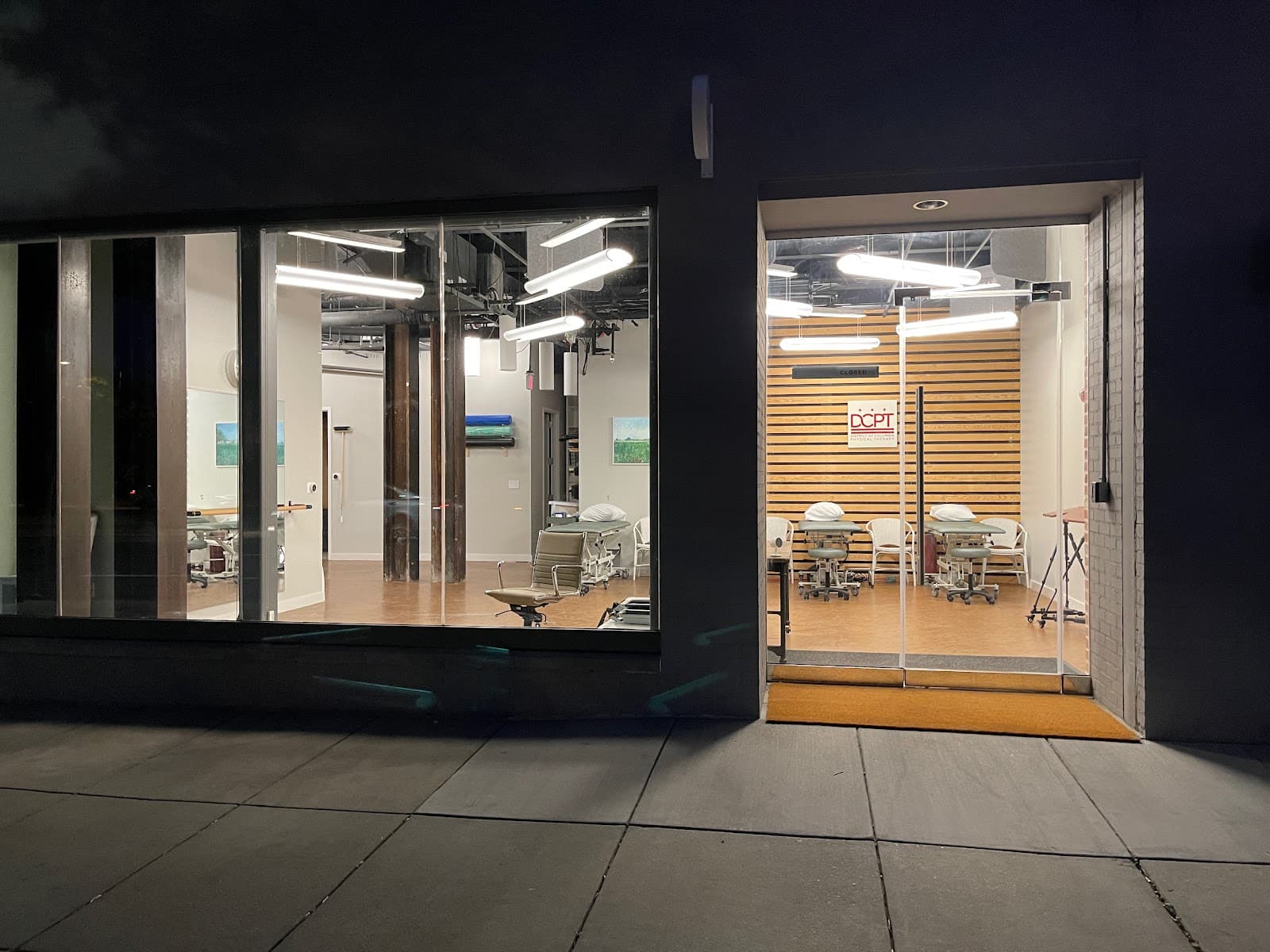
Medicare, CareFirst, Aetna, UnitedHealthcare, Tricare. Self-pay $150. Capitol Hill, Bethesda, and in-home — though in-clinic is usually faster for vestibular work because of equipment access.

Ready to start?

Same-week evaluations at Capitol Hill, Bethesda, and in-home throughout the DMV.

Book a Vestibular Eval

Frequently asked questions

Can BPPV really be fixed in one visit?

Often yes. Classic BPPV with a positive Dix-Hallpike test usually resolves with the appropriate canalith repositioning maneuver in 1–2 sessions. Some cases recur and need a refresher.

Do I need a referral for vestibular PT?

Not in DC, MD, or VA. Direct access applies to vestibular conditions just like other PT.

Will the Epley maneuver make me feel worse before better?

Often a brief spike of dizziness during the maneuver, but the post-treatment course is typically a rapid reduction in symptoms.

How is dizziness from a concussion different from BPPV?

Post-concussion dizziness is usually not purely positional and involves visual sensitivity, motion intolerance, and sometimes balance issues. It needs a broader rehab program than BPPV.

Do you treat Meniere's disease?

Meniere's is medically managed (your ENT or neurologist drives that). We can support deconditioning and balance work that may accompany it.