Conditions We Treat

Diastasis Recti Physical Therapy in Washington DC and Bethesda

Diastasis recti — separation of the abdominal wall at the midline — affects most postpartum women to some degree. Structured rehab restores abdominal wall function, supports return to running and lifting, and addresses the lingering postpartum symptoms that often accompany the diastasis.

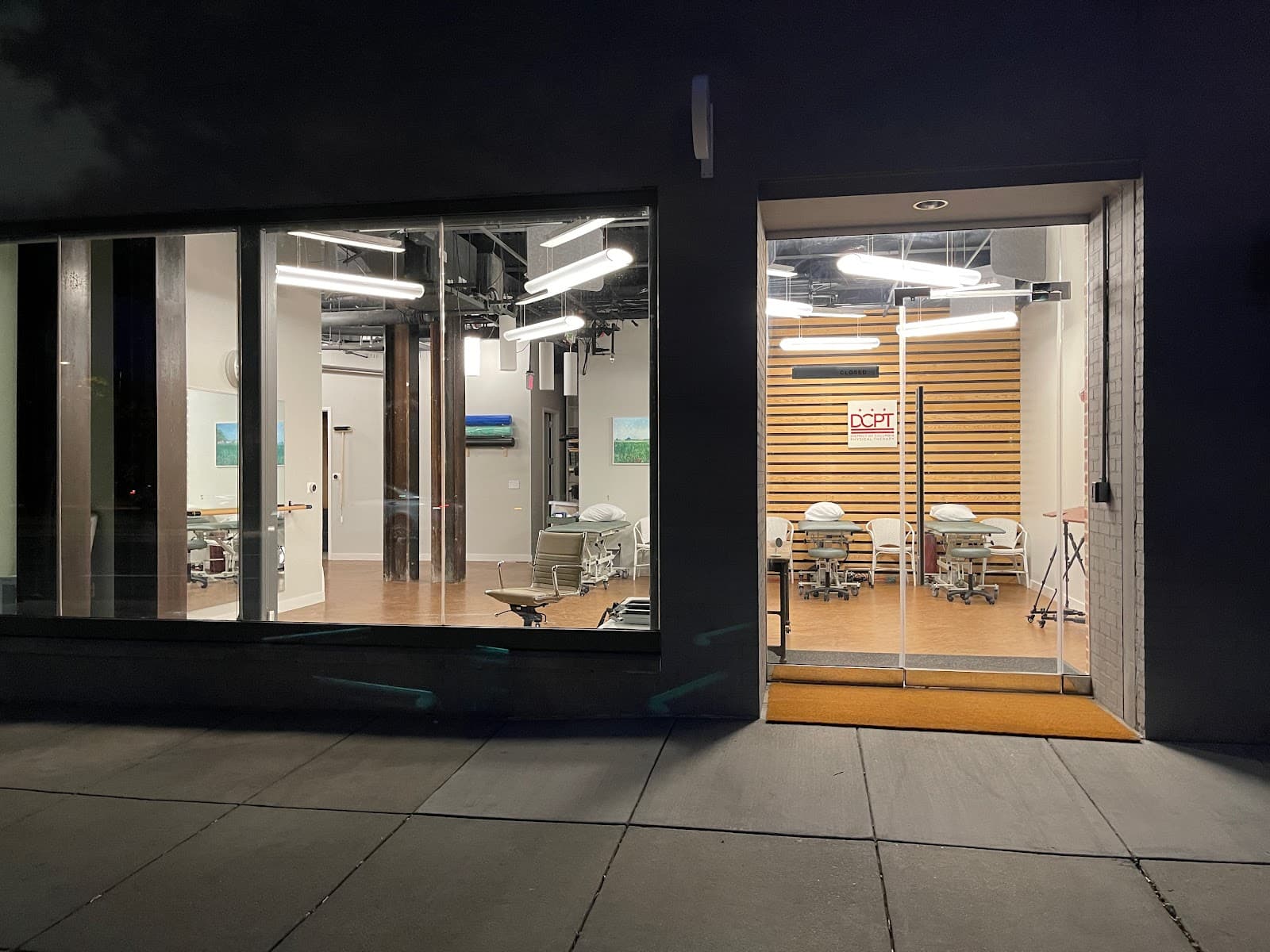
District Physical Therapy clinic — Diastasis Recti Abdominis treatment in Washington DC and Bethesda

What diastasis is and what it predicts

Diastasis recti is widening of the linea alba — the connective tissue between the two halves of the rectus abdominis. It happens in about two-thirds of pregnancies and is normal during and immediately after pregnancy. Function matters more than the gap itself: many women with a 2-finger separation feel and function normally; some with a 1-finger gap have meaningful symptoms.

Symptoms that bring patients to PT

Doming or coning of the belly with exercise or sit-ups, back pain that came on or worsened postpartum, a sense of weakness or instability in the core, urinary leakage with running or jumping, pelvic heaviness or pressure, and difficulty returning to running or lifting at pre-pregnancy levels.

What evaluation looks like at DCPT

60-minute evaluation with a Doctor of Physical Therapy. We measure the diastasis (inter-recti distance), assess abdominal wall function under load, evaluate pelvic floor coordination, screen for related conditions (back pain, pelvic floor dysfunction), and review your activity goals. First treatment same visit. Plans usually run 6–12 visits over 6–12 weeks.

Treatment approach

Core retraining starting with breath-and-tension coordination, progressive loading of the abdominal wall (we don't avoid sit-ups — we progress to them when tolerated), pelvic floor coordination work when relevant, manual therapy for thoracic and lumbar mobility, and a structured return-to-running or return-to-lifting plan when those are goals. We work alongside your OB or midwife when needed.

Costs and insurance

Most insurance covers postpartum PT. Direct access in DC, MD, and VA — no referral needed. Self-pay is $150 per session.

Ready to start?

Same-week evaluations at Capitol Hill, Bethesda, and in-home throughout the DMV.

Book a Postpartum Evaluation

Frequently asked questions

How long postpartum should I wait to start PT?

Many patients start at 6 weeks once OB clearance is in hand. Earlier is fine for foundational breathwork and gentle core re-engagement; loading progressions start after clearance.

Will I need surgery to close the gap?

Rarely. Most diastasis is functional, not structural — restoring core control matters more than closing the linea alba completely. Surgery is generally reserved for cases that don't respond to thorough rehab and cause meaningful functional or cosmetic issues.

Can I do crunches?

Eventually, yes — and we progress to them strategically. The old advice to avoid all crunches forever isn't well-supported. The key is loading the abdominal wall in ways it can tolerate without doming or coning.

When can I return to running?

Most patients are ready for a structured return-to-running progression around 12 weeks postpartum, depending on delivery, recovery, and symptoms. We don't rush it.

Do you treat pelvic floor issues too?

We screen for them and treat the orthopedic and load-management components. For internal pelvic floor work specifically, we refer to a pelvic-health PT specialist when needed.

What if I'm a few years postpartum already?

Still rehab-responsive. The diastasis doesn't fully resolve on its own for many women, but core function and symptoms respond well to targeted PT even years out.